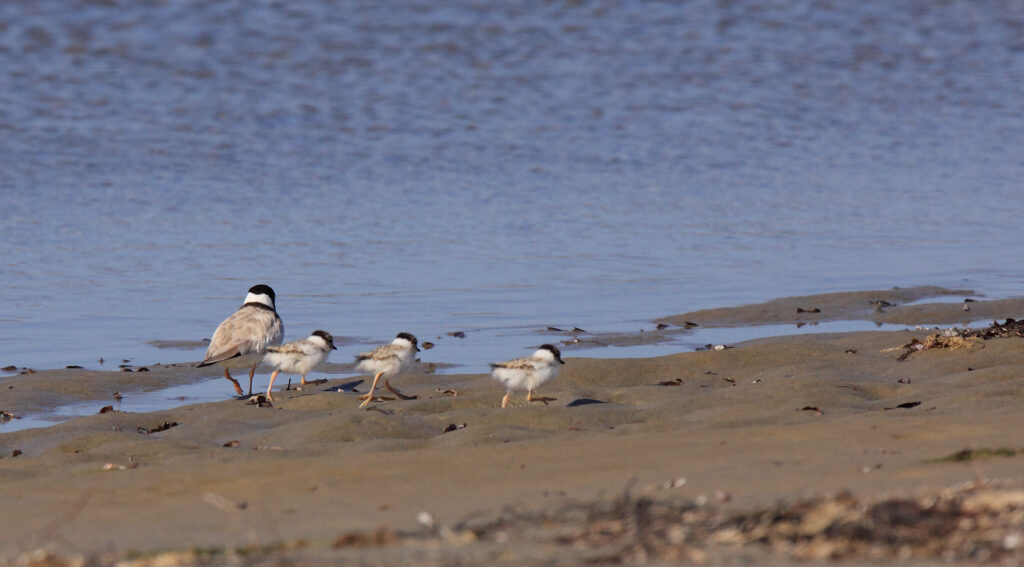
Southwest Vic a hoodie haven
The biennial count of the Hooded Plover on Australia’s eastern seaboard has found the highest densities of shorebirds in Australia have been recorded in the region of Warrnambool to Yambuk (2.07 birds/km).
The Hooded Plover (Thinornis cucullatus cucullatus) Biennial Count has been happening since 1980 and rallies hundreds of skilled participants across eastern mainland Australia to survey suitable ocean beach habitat for Hooded Plovers (eastern subspecies) over several weeks in November.
In the 2024 biennial count, a total of 1,642 Hooded Plovers (1,607 adults and 35 juveniles) were counted across 88% of suitable coastline of south-eastern mainland Australia.
That constituted 91% of the estimated number of birds in the mainland population and 55% of the world population (eastern subspecies)
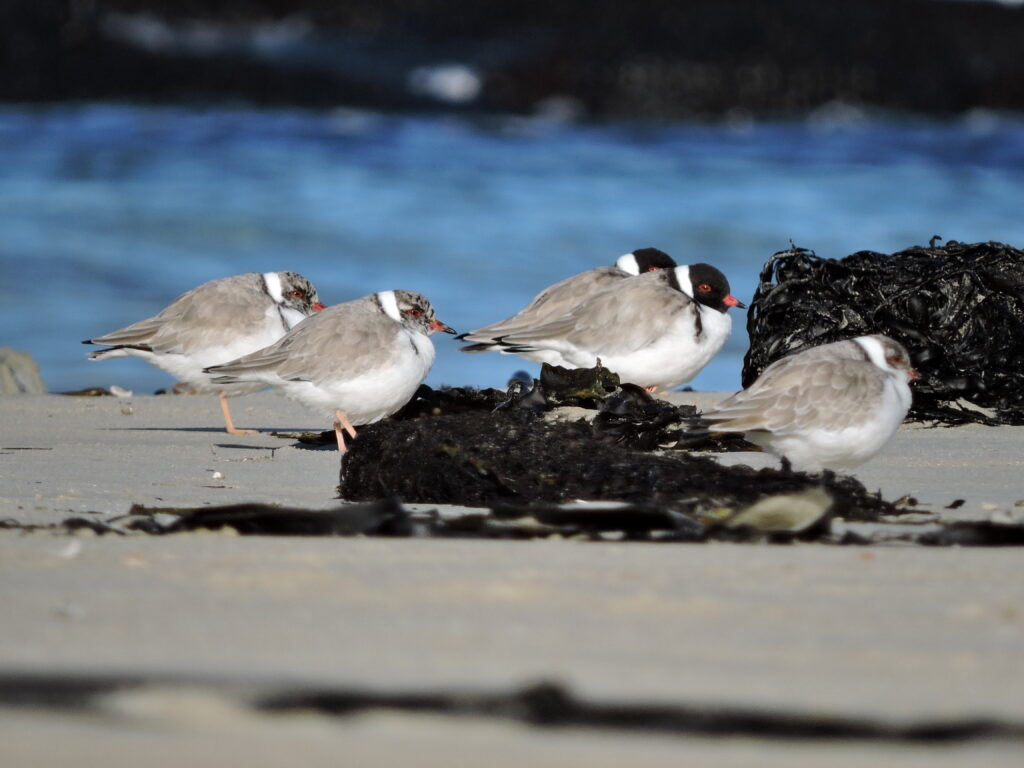
During the 2024 count:
• 2,770 kilometres of suitable coastline (i.e., Hooded Plover habitat) was identified in New South Wales, Victoria, and South Australia, of which 2,441 km (88%) was surveyed.
• A total of 1,642 Hooded Plovers (1,607 adults and 35 juveniles) were counted, comprising approximately 55% of the estimated world population of 3,000 birds (eastern subspecies) and 91% of the estimated mainland breeding population of 1,800 birds.
• Regionally, Hooded Plover numbers were distributed as follows:
o In Victoria (85% of habitat surveyed): 682 Hooded Plovers (679 adults and 3 juveniles).
o In South Australia (89% of habitat surveyed): 892 Hooded Plovers (860 adults and 32 juveniles).
o In New South Wales (99% of habitat surveyed): 68 Hooded Plovers (68 adults and 0 juveniles).
Read the biennial count report here
This project was undertaken by Birdlife Australia partly funded by the Australian Government Natural Heritage Trust through the Glenelg Hopkins Catchment Management Authority, West Gippsland Catchment Management Authority, Northern and Yorke Landscape Board, and Hills and Fleurieu Landscape Board, members of the Commonwealth Regional Delivery Partners panel, and delivered by Birdlife Australia. It was also supported by the Limestone Coast Landscape Board Grassroots Grants program and was funded by the regional landscape and water levies. In Western Australia, this project was supported by funding from the Western Australian Government’s State NRM Program.