Fish surveys find fish trends
Healthy river = breeding fish
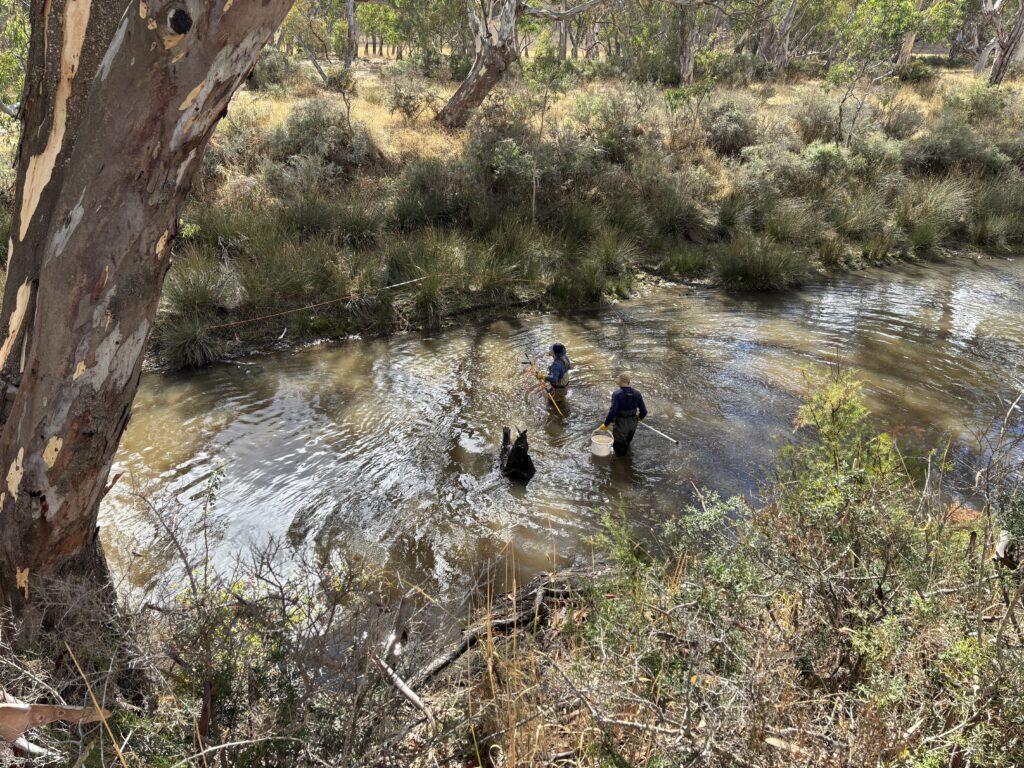
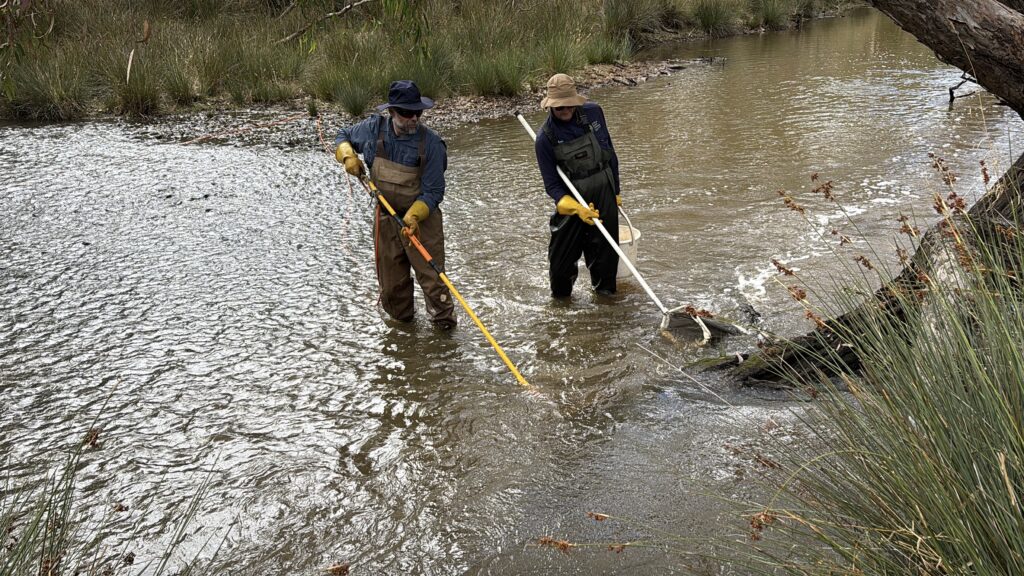
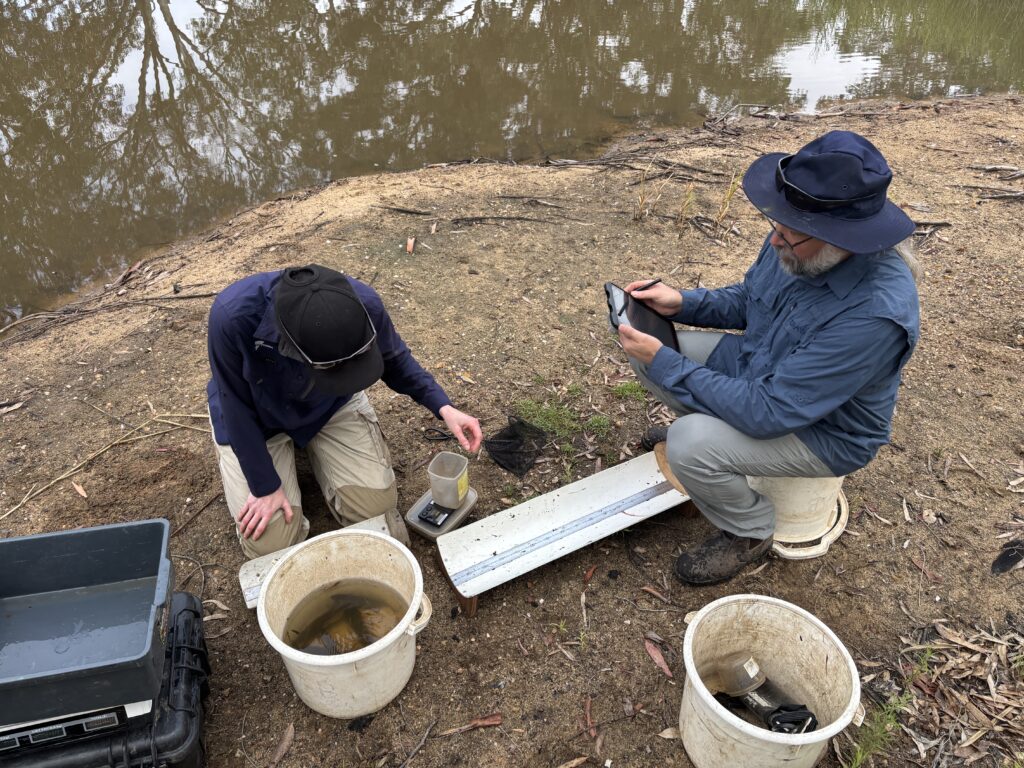
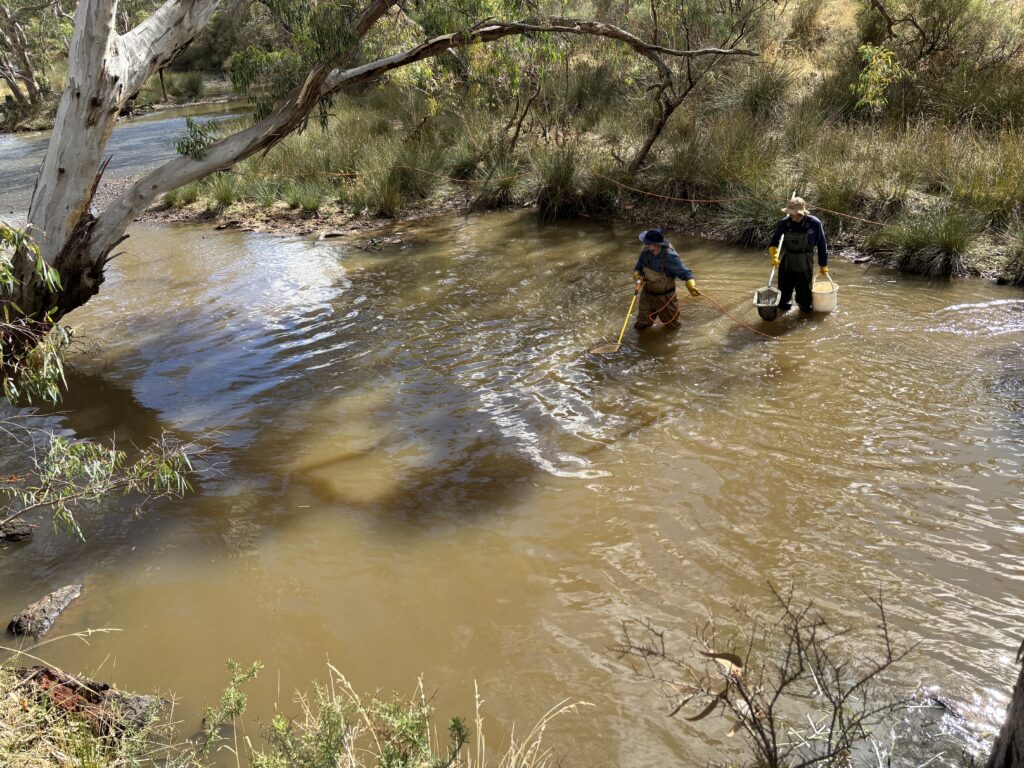
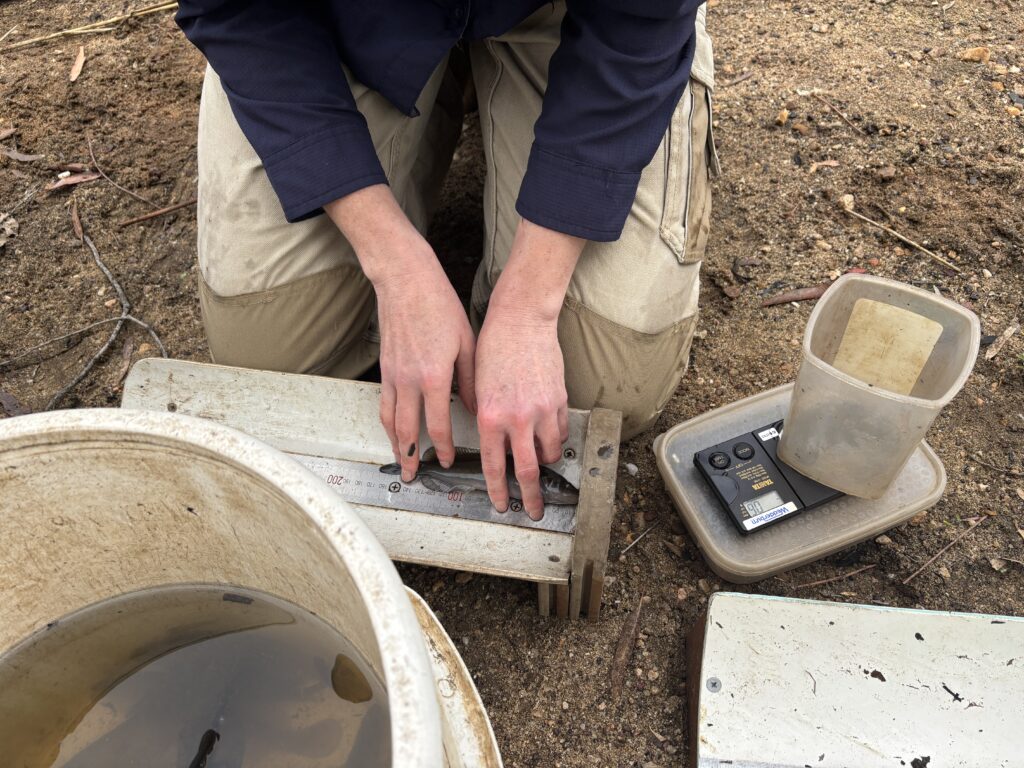
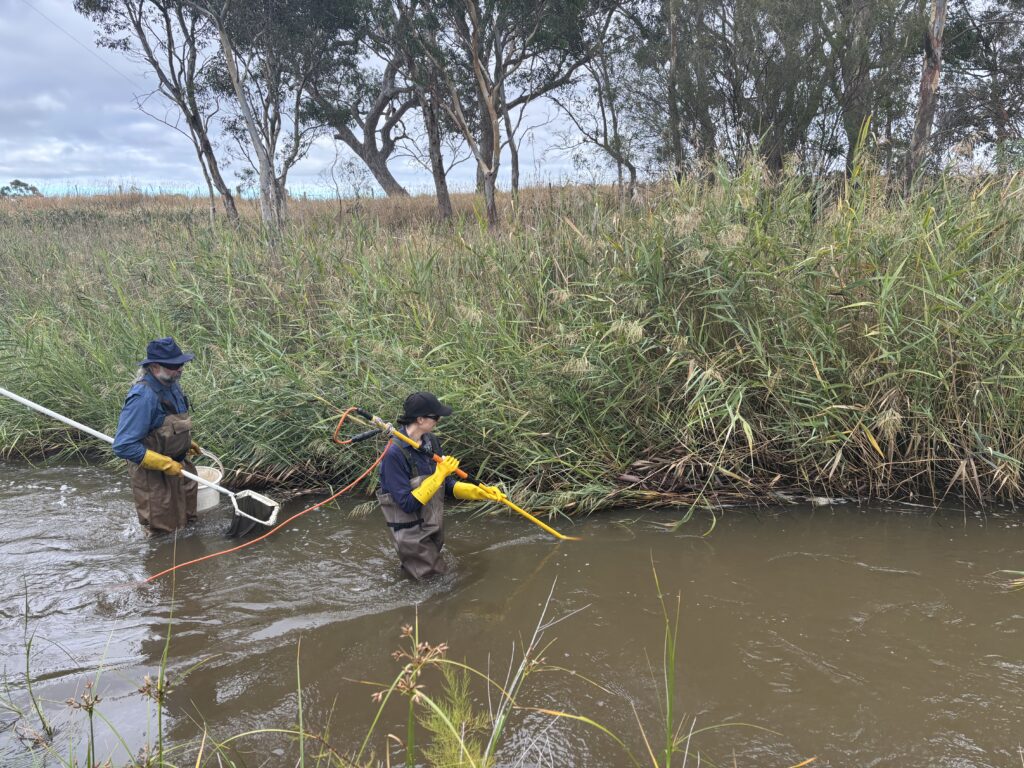
Researchers from the Arthur Rylah Institute have wrapped up this year’s annual fish monitoring survey on the Glenelg River – for the 17th year in a row – and the results are telling an important story about river health over time.
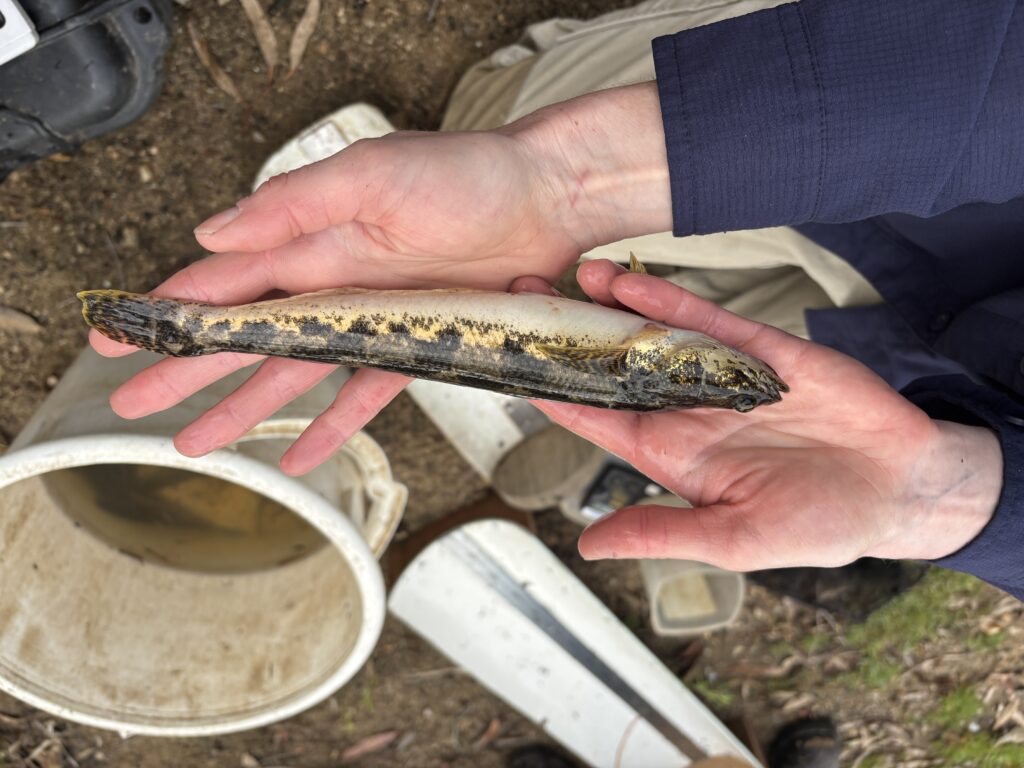
During the recent survey, 284 Blackfish were either observed or captured, including many juveniles. This is a sign of continued positive recruitment for a species dependent on good water quality.
During these dry years, we can attribute much of the successful breeding of this species to environmental water releases into the Glenelg River.
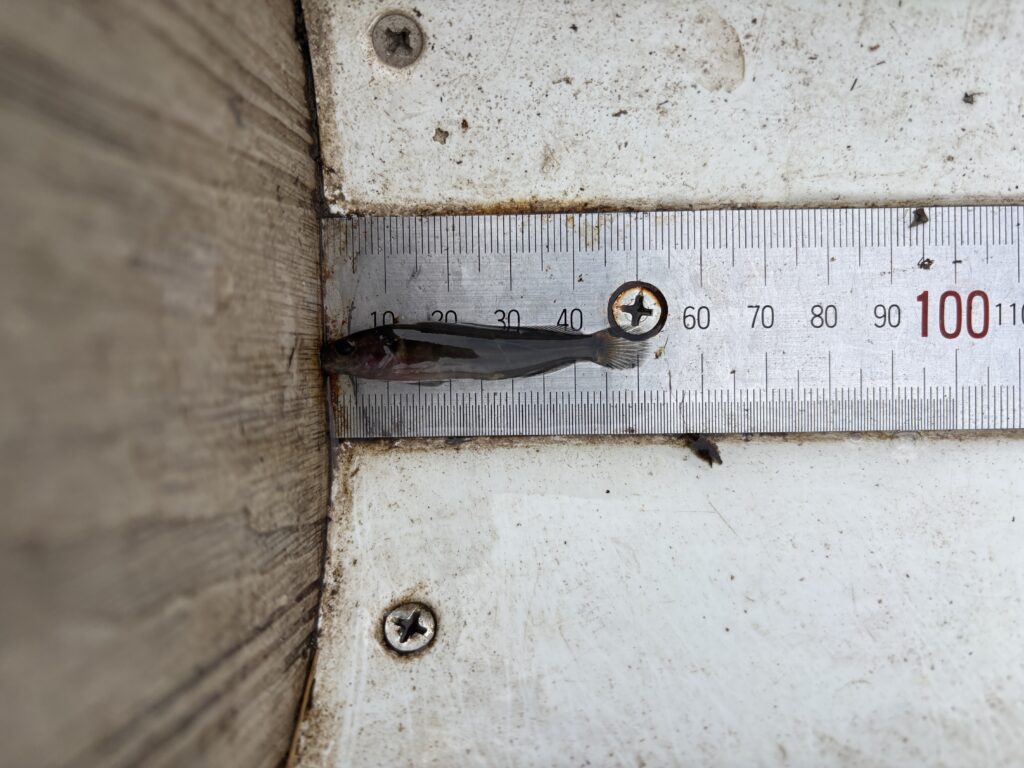
Tupong showed similar size ranges to last year, with most individuals being adults.
This indicates strong survival of the 2023 cohort, but no new recruitment in the past two years.
The lack of juveniles is to be expected during these dry years.
Tupong spawning is triggered by large natural rainfall events in Autumn or Winter, which we have not seen in the last few years.
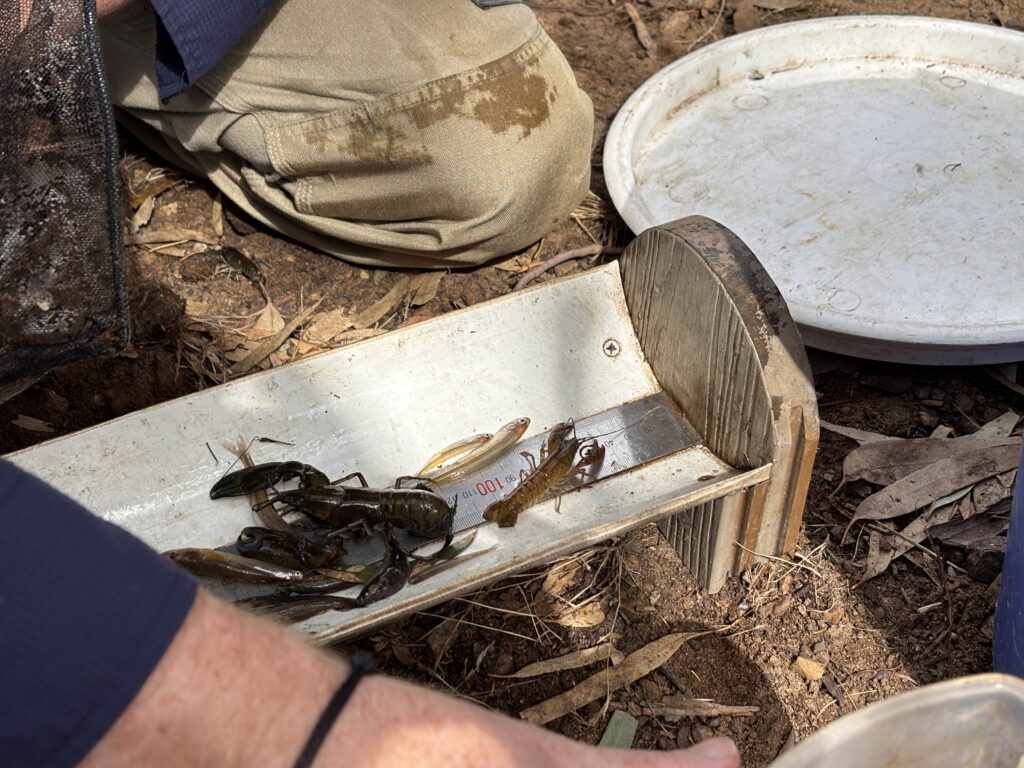
A large number of species observed or caught including:
- Flatheaded Gudgeon
- Southern Pygmy Perch
- Variegated Pygmy Perch
- Australian Smelt
- Common Galaxias
- Obscure Galaxias
- Estuary Perch
- Black Bream
- Smallmouth Hardy head
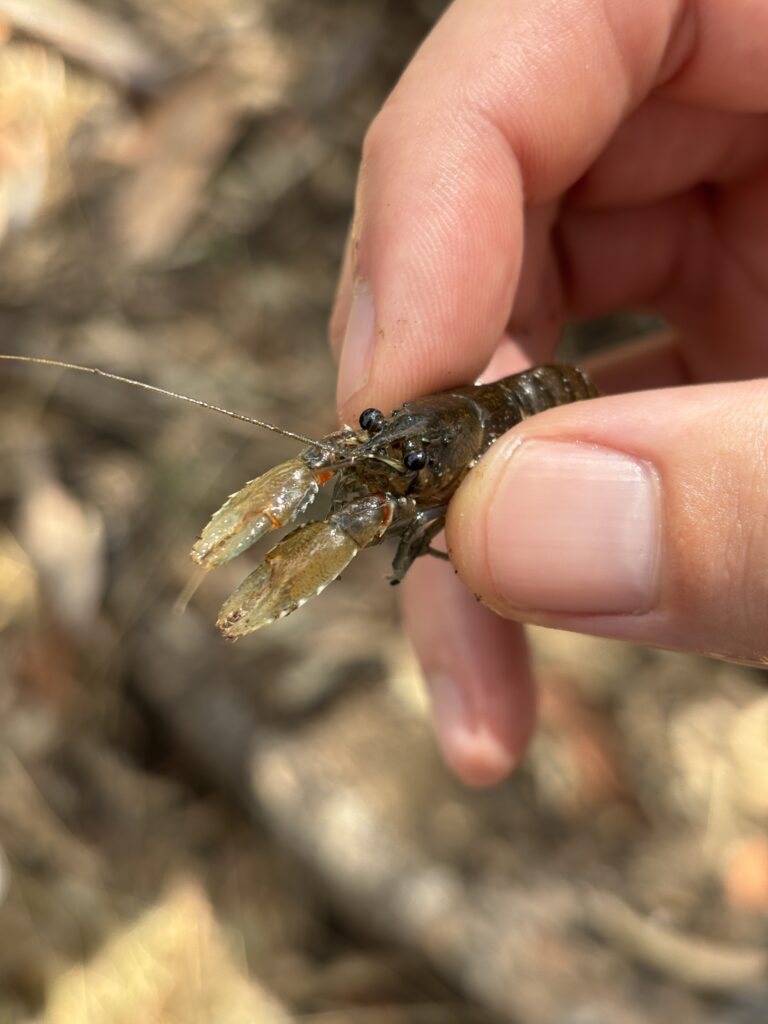
- Common Yabby, and
- Glenelg Spiny Crayfish.
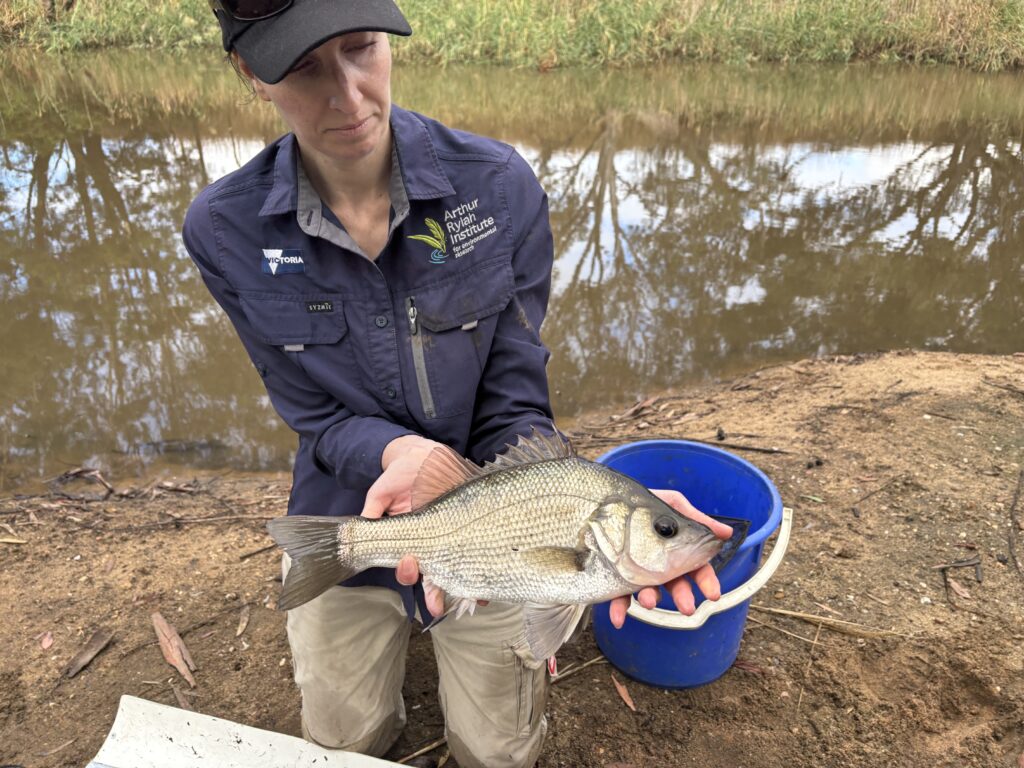
A Freshwater Catfish, a native species but one that occurs naturally within the Murray-Darling Basin, was also captured; while five non-native species were also captured or observed, including Gambusia, Carp, Redfin Perch, Rainbow Trout and Goldfish or also found as part of the survey.
Long‑term monitoring like this, which began in 2009, helps us understand how fish respond to changing conditions and how environmental water is supporting river ecosystems, even during challenging dry periods.