Little fat bat project concludes
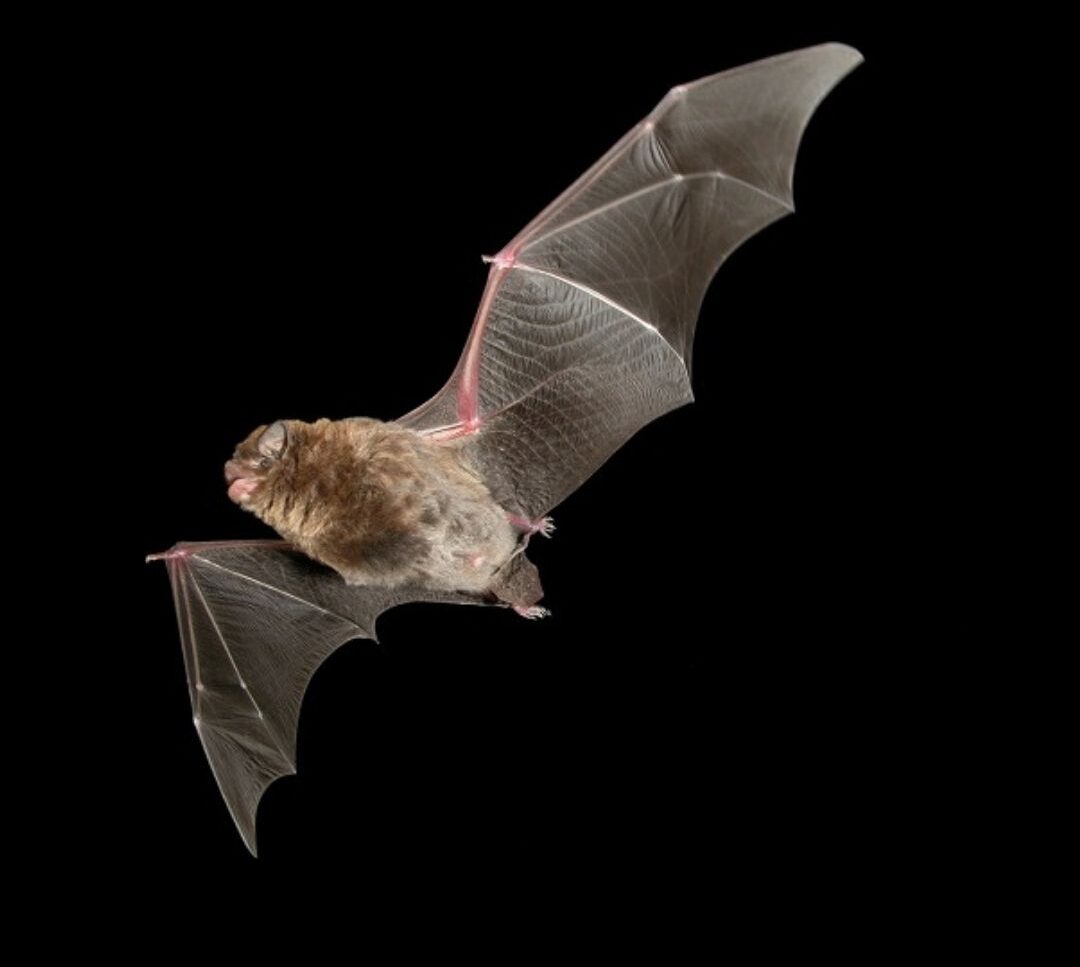
Our Little Fat Bat project with the Southern Bent-wing Bat has come to an end.
The “Reversing the decline of the critically endangered Southern Bent-wing Bat’ Project was funded through the Victorian Government ‘s Nature Fund over the last 3 years.
It was focussed on the Southern Bent-wing bat – a tiny microbat that weighs only 15 grams and is about 55mm in length – which breeds in caves around Porland, and forages for food in the south-west of our catchment.
The project aimed to increase the awareness of the bat, its critically endangered status, and what it needs to survive – namely moths – across the wider community.
The project also aimed to remove weeds and revegetate areas around the roosting caves with more moth-friendly species of plants.
Over the last 3 years the project has:
- Improved 375ha of Southern Bent-wing Bat foraging habitat, through removal of woody weeds to allow for natural regeneration with more moth-friendly species to encourage a food source for the bats.
- Had community volunteers, Portland, Bay Press, SEA Landcare, field naturalists and landholders contribute approximately 2500 volunteer hours to the outputs of this project.
- Helped deliver the Little Fat Bat printmaking workshop engagement activity which saw 5 workshops, 30 participants including the Winda Mara Junior Rangers, create lino prints for and an exhibition held in Portland.
A big thank you to the citizen scientists of iNaturalist who snapped photos of moths, uploaded them, and identified them meant the recovery team had greater understanding of the range, size and number of moths available in the Glenelg Hopkins catchment area than any amount of standing in the cold with white sheets and torches could!
Images of moths, insects, birds, plants and animals can still be uploaded to iNaturalist as it continues to help us understand the populations of animals in our catchment area.
For more information on how to upload on iNaturalist and our bat project, visit our project page here