
The Button Wrinklewort
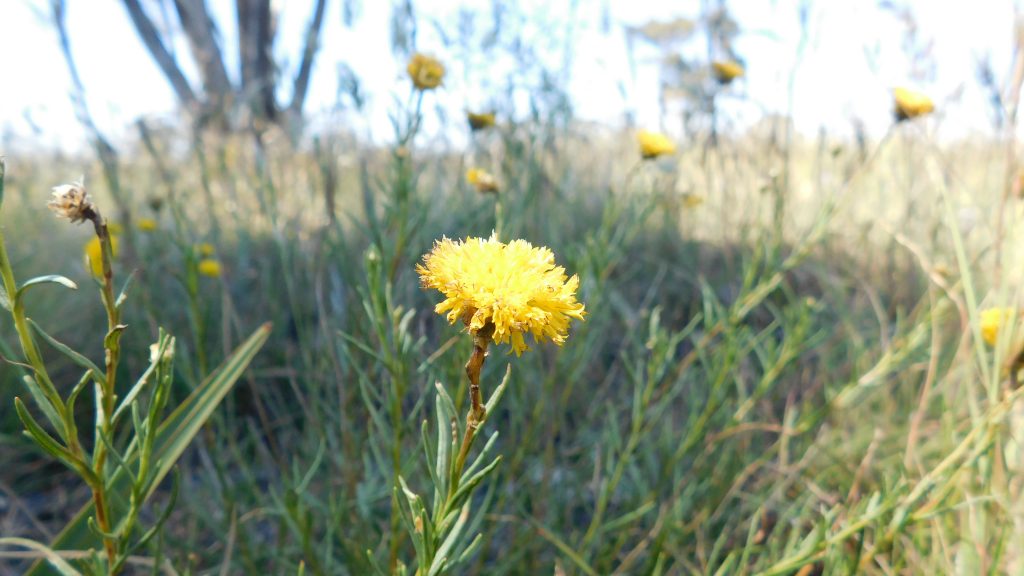
Have you seen one of these amazing yellow flowers?
These are the Endangered Button Wrinklewort. They are found on the equally endangered Victorian Volcanic Plains grassland areas.
Project: Victorian Volcanic Plains Recovery Project
Funding:
2019-2023: $5 million through the Australian Government’s National Landcare Program
2023-2026: $455,000 Funding through DEECA Nature Fund (Victorian Government)
2023-ongoing through the Australian Government’s Saving Native Species Program
What is a Button Wrinklewort?
One of the best named Australian plants, the Button Wrinklewort is a perennial daisy, found in only a few public land sites in Western Victoria, and several isolated sites in NSW and the ACT.
It flowers anytime between October and February, where it produces yellow spherical flower heads 8-15 mm in diameter at the end of long flowering stems.
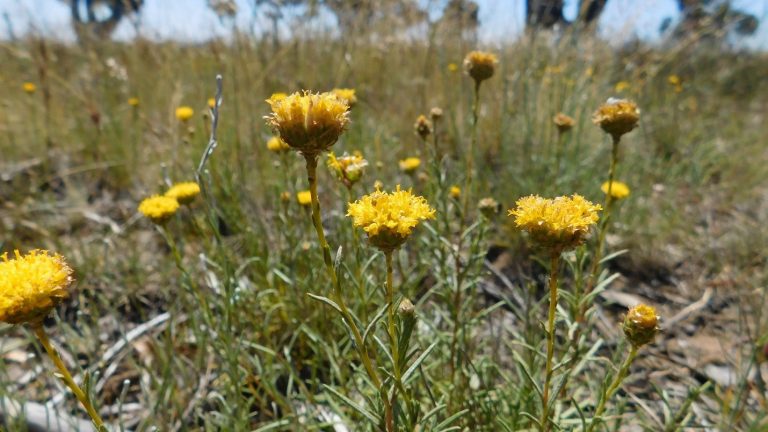
These stems die back over late Summer to Autumn and are replaced by a new basal rosette of leaves in early Winter.
Glenelg Hopkins CMA received funding from the Australian Government’s National Landcare Program to deliver a five-year project aimed at protecting three critically endangered Ecological Communities which occur on the Victorian Volcanic Plain (VVP) Bioregion, and some equally endangered plants and animals, including the Button Wrinklewort, Spiny Rice-flower and Eastern Barred Bandicoot.
Why are the Victorian VVP Buttons so special?
The Button Wrinklewort (Rutidosis leptorhynchoides) which lives on the grasslands of Victoria’s Volcanic Plains is a particularly special endangered plant.
Through genetic mutation populations in western Victoria are tetrapoloids, which means they have double the number of chromosomes of other Button Wrinklewort plants found in other parts of Australia, which are diploids.
It also means they are reproductively isolated from their diploid ancestors and can only reproduce viable seed with other tetraploid Button Wrinklewort plants.
A timeline of recovery
Glenelg Hopkins CMA receives funding for the VVP Landscape through the Australian Government’s National Landcare Program
Genetic testing of 8 known Tetraploid Button Wrinklewort populations on the VVP begins. The VVP plants are genetically different to other Victorian Button Wrinklewort populations (which are diploids).
A single Button Wrinklewort plant is found in a new, previously unknown location, taking the known populations of the plants on the VVP to 9. Genetic testing begins on the solitary plant to assess it relation to other known sites. The story of The Lonely Button Wrinklewort begins.
The VVP team manually pollinate the single plant by driving flowerheads from other BWW populations to the Caramut site and rubbing them together. Flowerheads are covered in the summer in the hope of gathering viable seed from the plant.
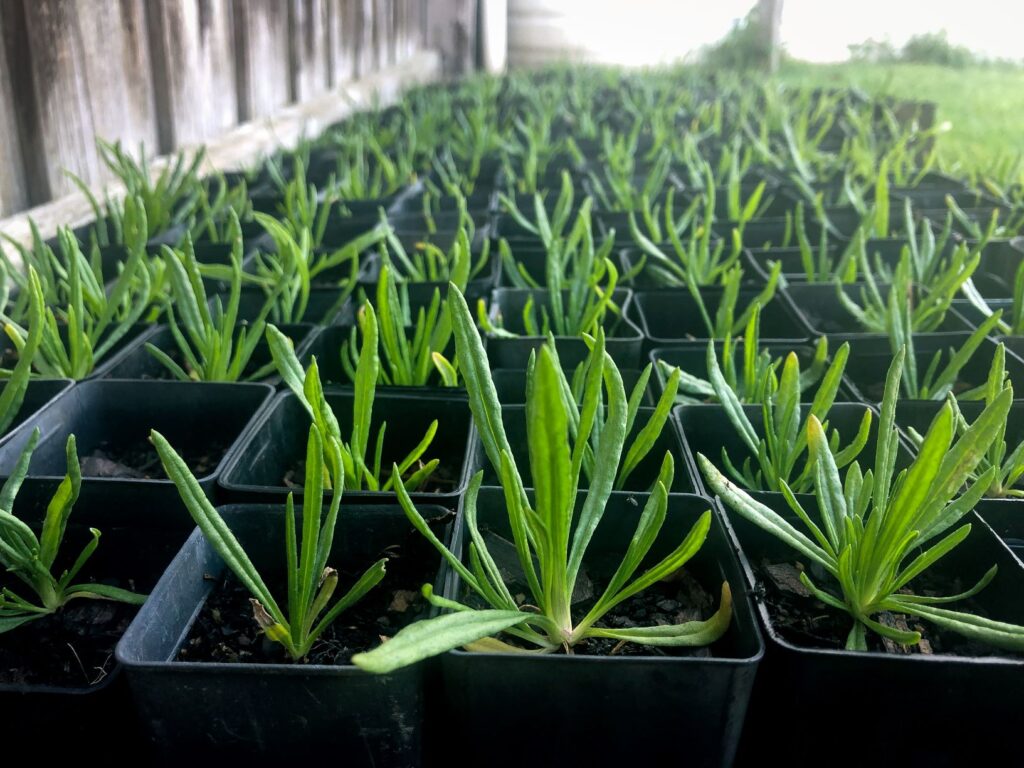
Seed collected from the single button wrinklewort plant germinates and 150 seedlings from the single plant are planted out into known populations of the species to create genetic diversity.
New populations of the plant are established on private landholder properties around the VVP to expand the species genetic diversity with plants from all known populations established together in new populations.
The team continues to collect seed from Button Wrinklewort plants and germinate them to continue to establish new populations and create even greater genetic diversity in existing populations.
A celebration of 30 years of study into the Button Wrinklewort is held at Little River.
Button Wrinklewort plants are germinated as part of the Saving 17 project creating a seedbank of 17 of the most endangered VVP grassland plant species.
The VVP team spread genetically diverse Button Wrinklewort seed around the solitary plant in an attempt to establish multiple plants. The process had been used successfully established other grassland plants on the VVP.
New plants are found sprouting around the solitary Button Wrinklewort plant. Monitoring of these is ongoing and by no means signals the end of the species recovery.
Recovery milestones
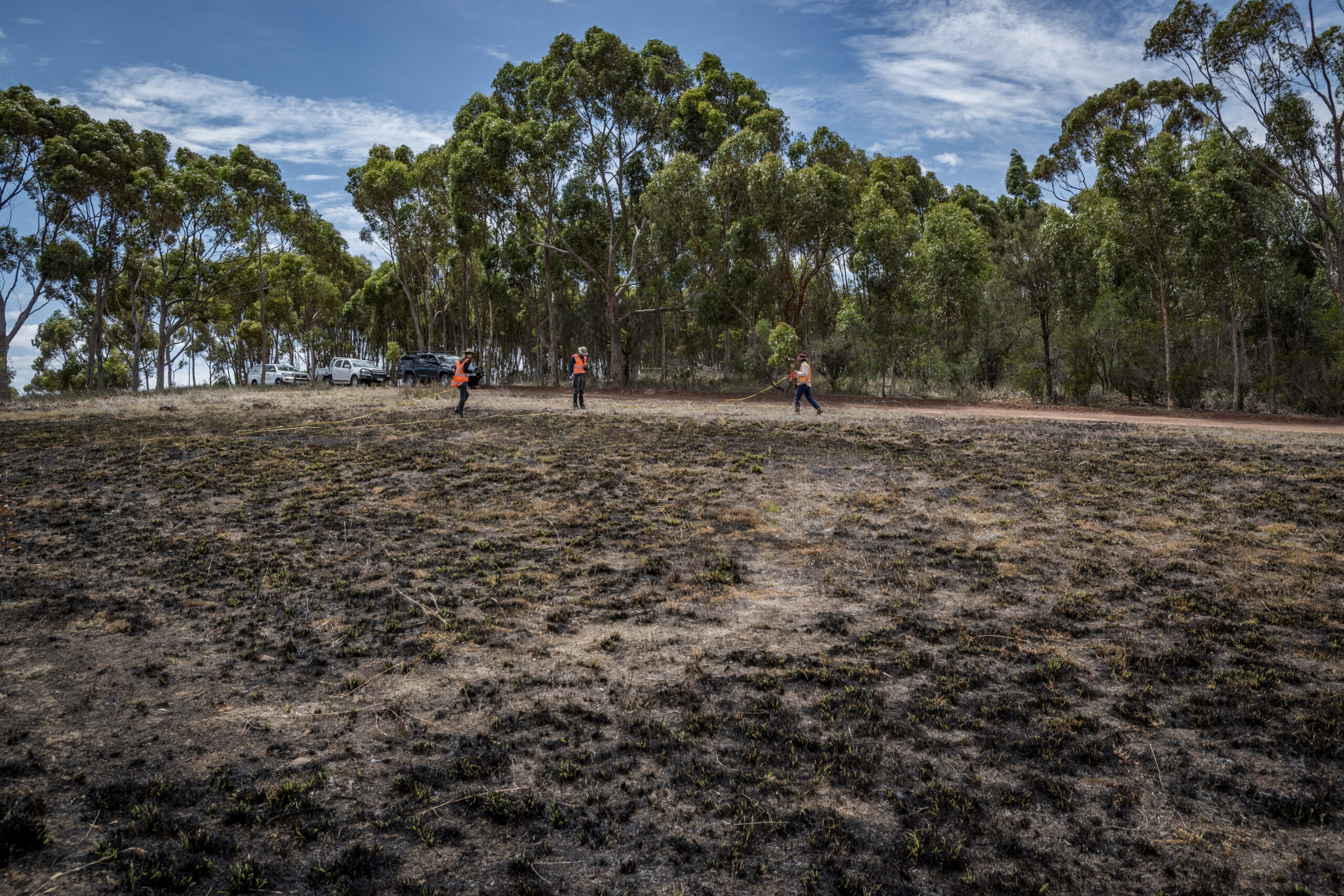
Management of the Button Wrinklewort using fire
AUGUST 2019: Genetic rescue of the Button Wrinklewort … one leaf at a time
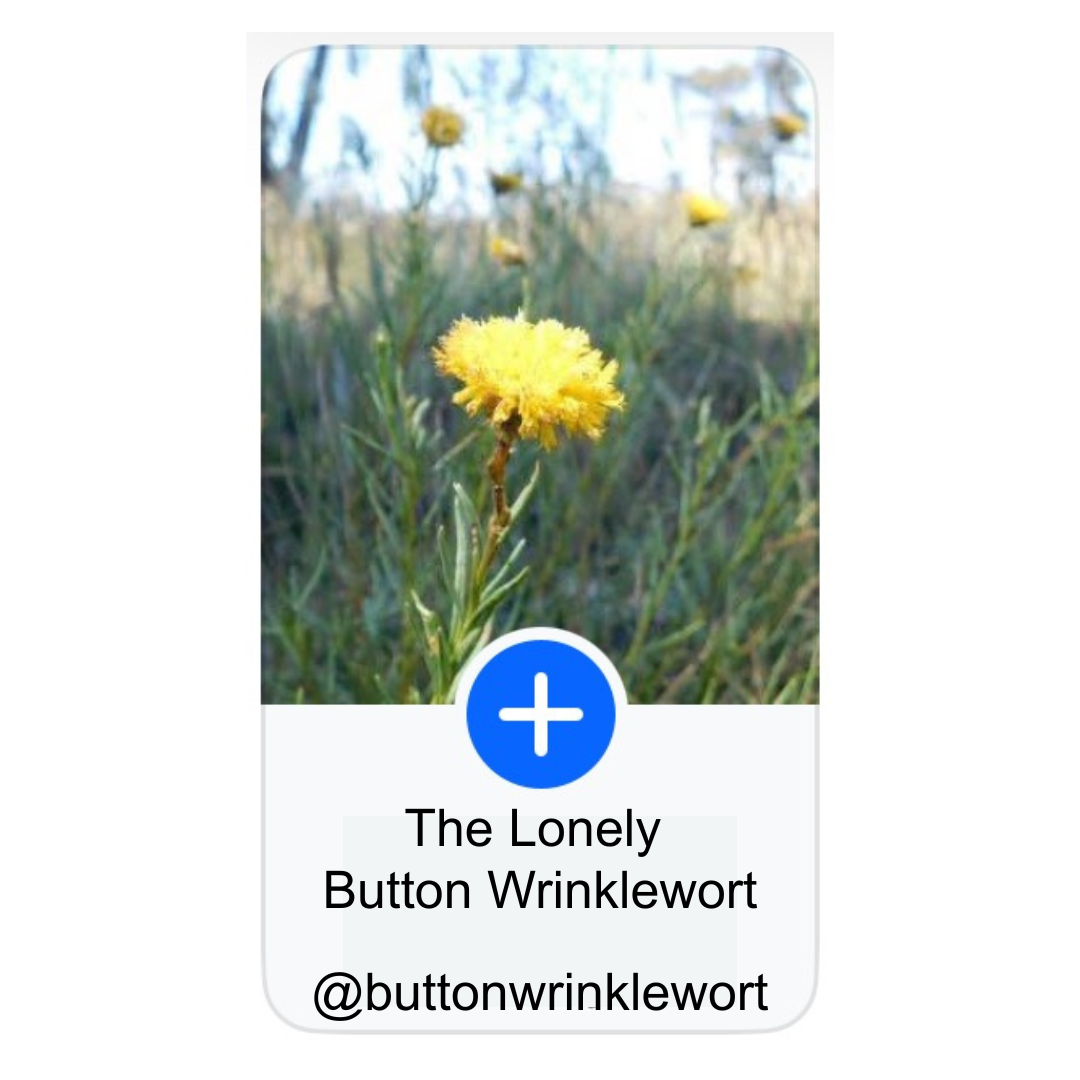
NOVEMBER 2019: The Lonely Button Wrinklewort is discovered
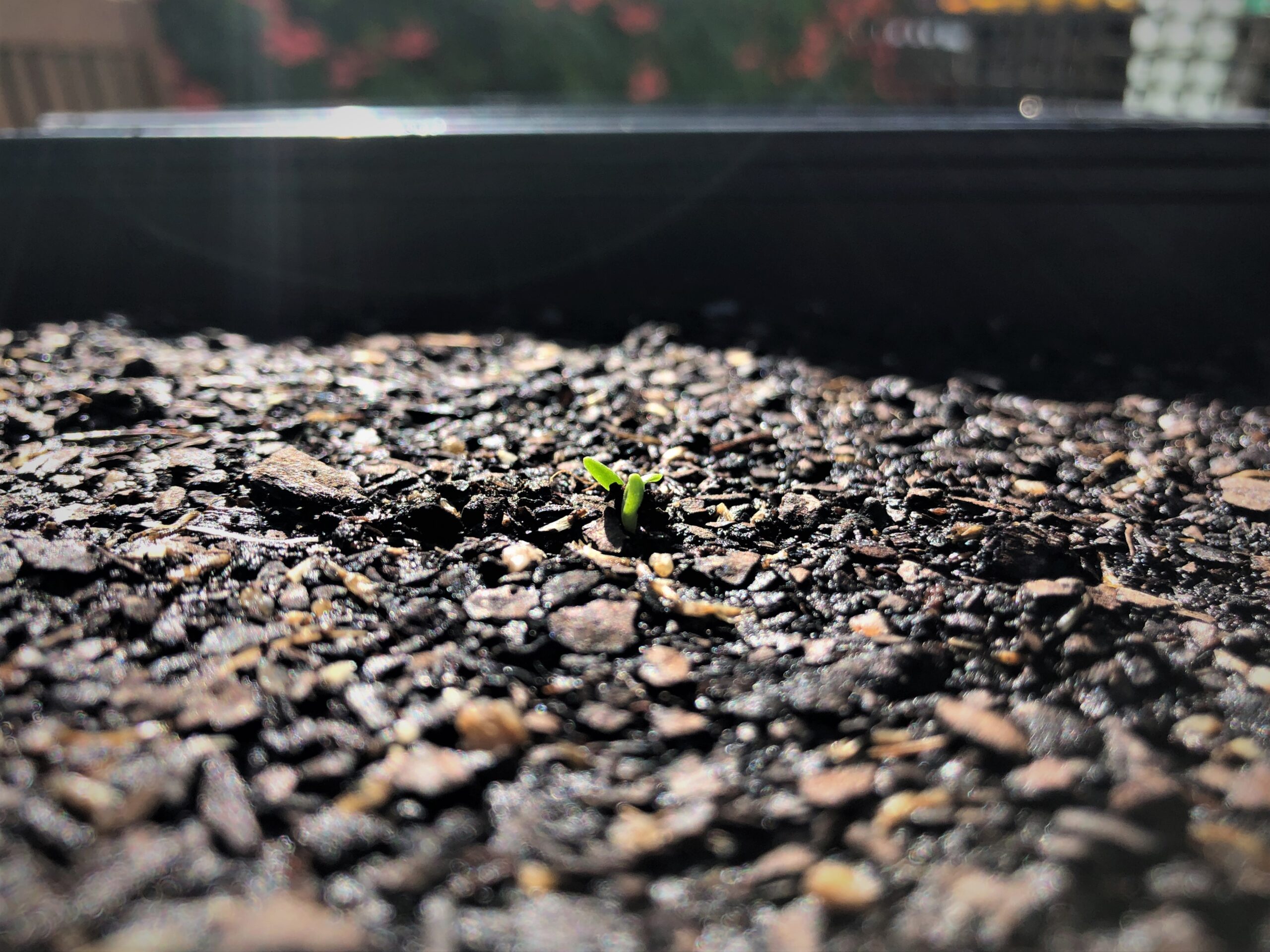
APRIL 2020: Lonely Button Wrinklewort seeds germinate
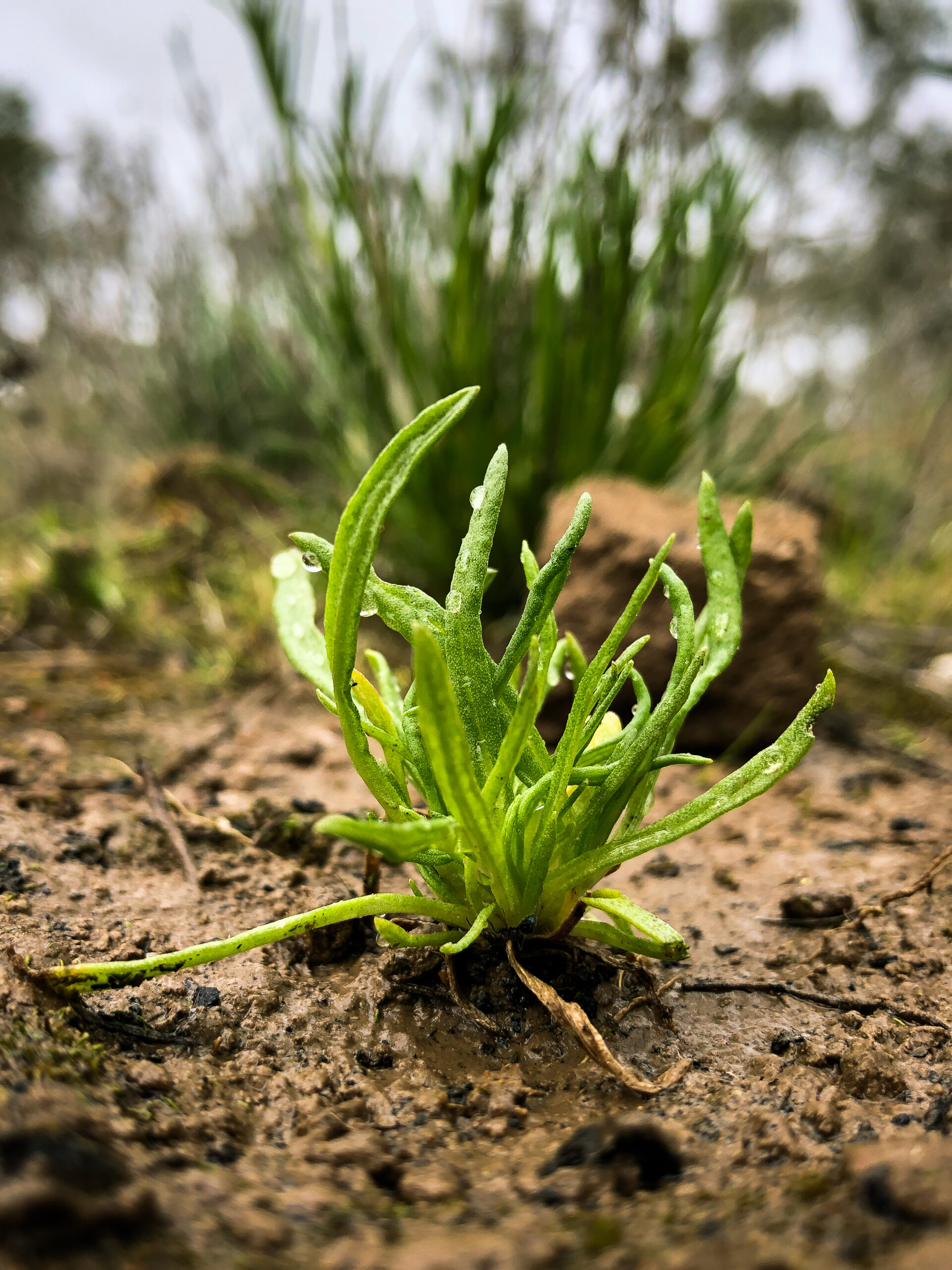
NOVEMBER 2020: Planting out Button Wrinklewort seedlings
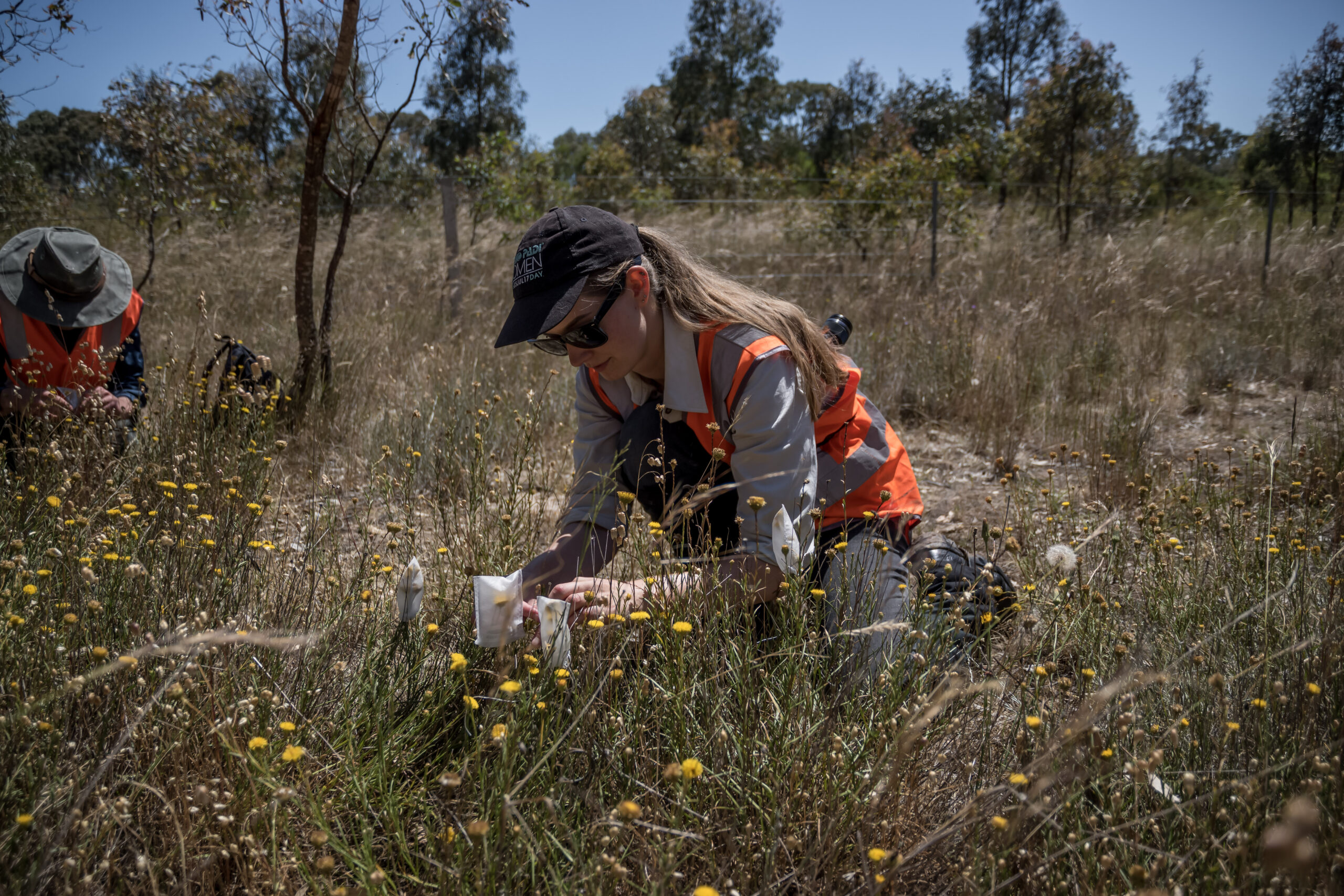
FEBURARY 2021: Seed collected for genetic testing
The Lonely Button Wrinklewort
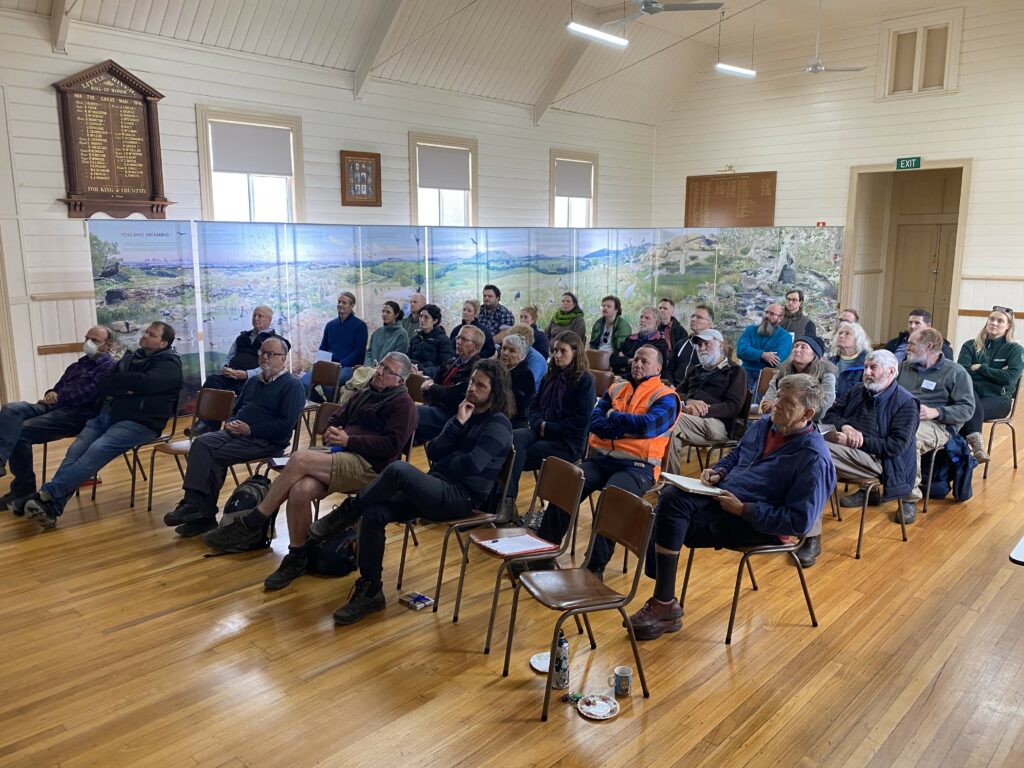
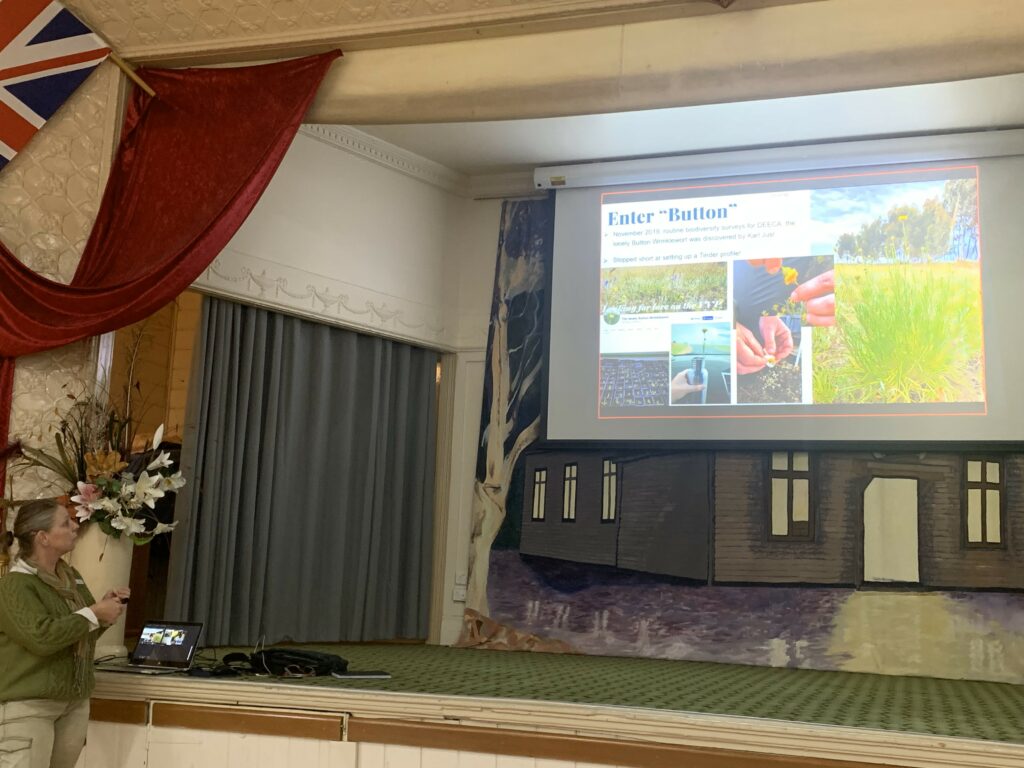
2023: Celebrating 30 years of Button Wrinklewort research and understanding
This very special little plant has been studied for over 30 year and in May 2023, all that research was celebrated with a knowledge sharing event at Little River.
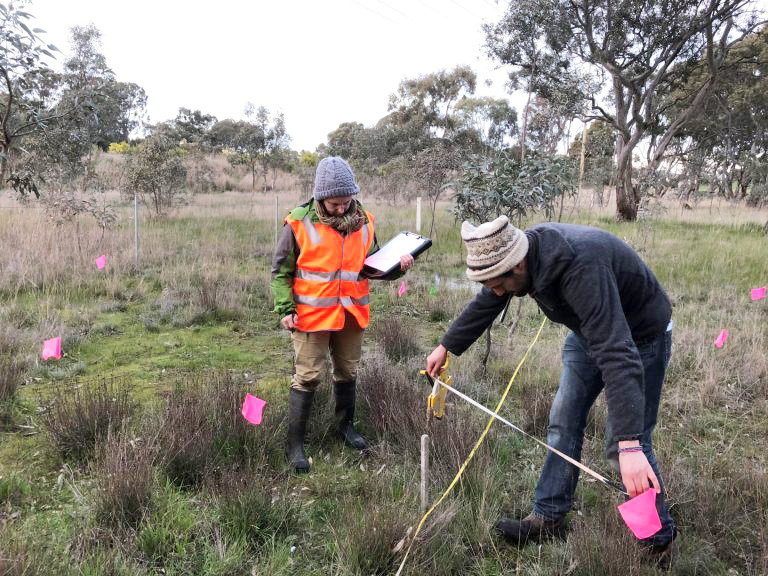
More than 40 people who have researched, learned about, are interested in, and conserved the iconic Button Wrinklewort gathered to talk all things tetraploid.
From farmers to practitioners, researchers to rail authorities, attendees heard about the genetics of the Button Wrinklewort and how it can impact the survival of isolated populations; how the species is pollinated; how remnant and recreated populations are monitored; how land managers are protecting a tiny population in the urban sprawl of St Albans; and how land managers are protecting populations in Western Victoria on narrow rail corridors.
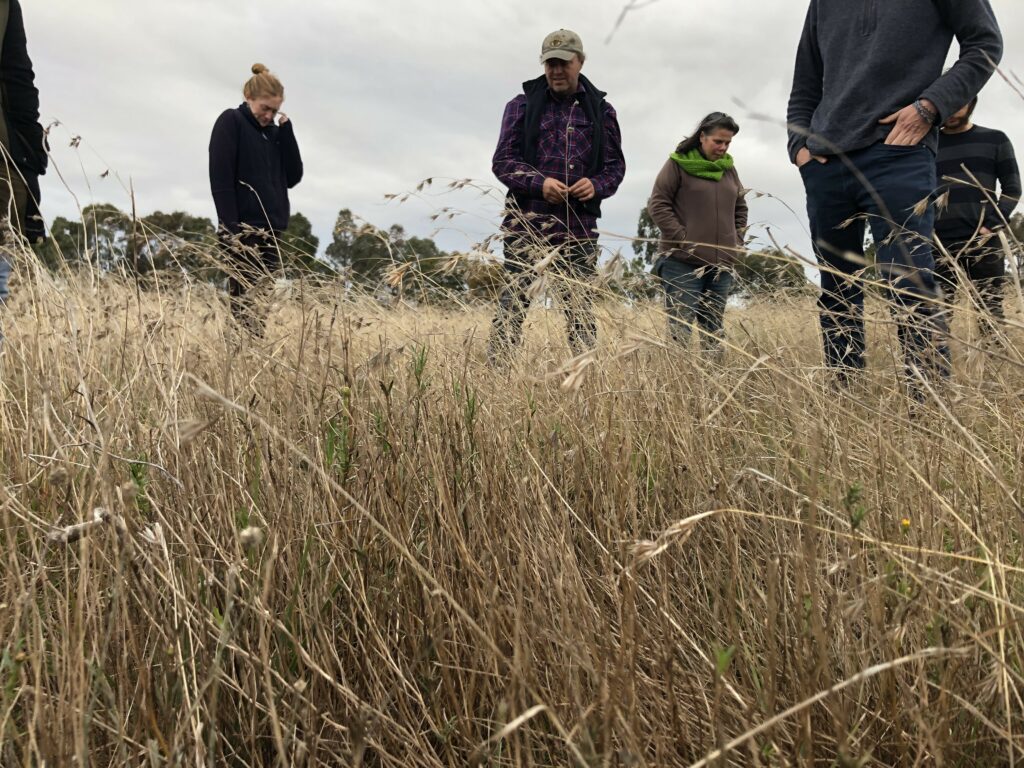
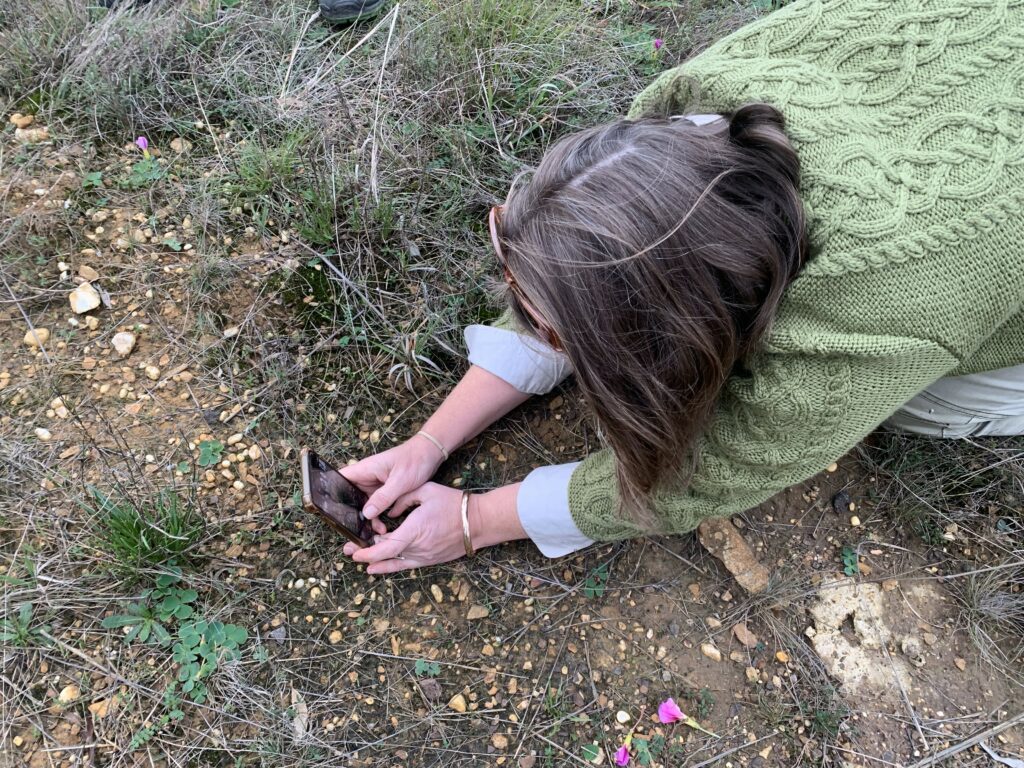
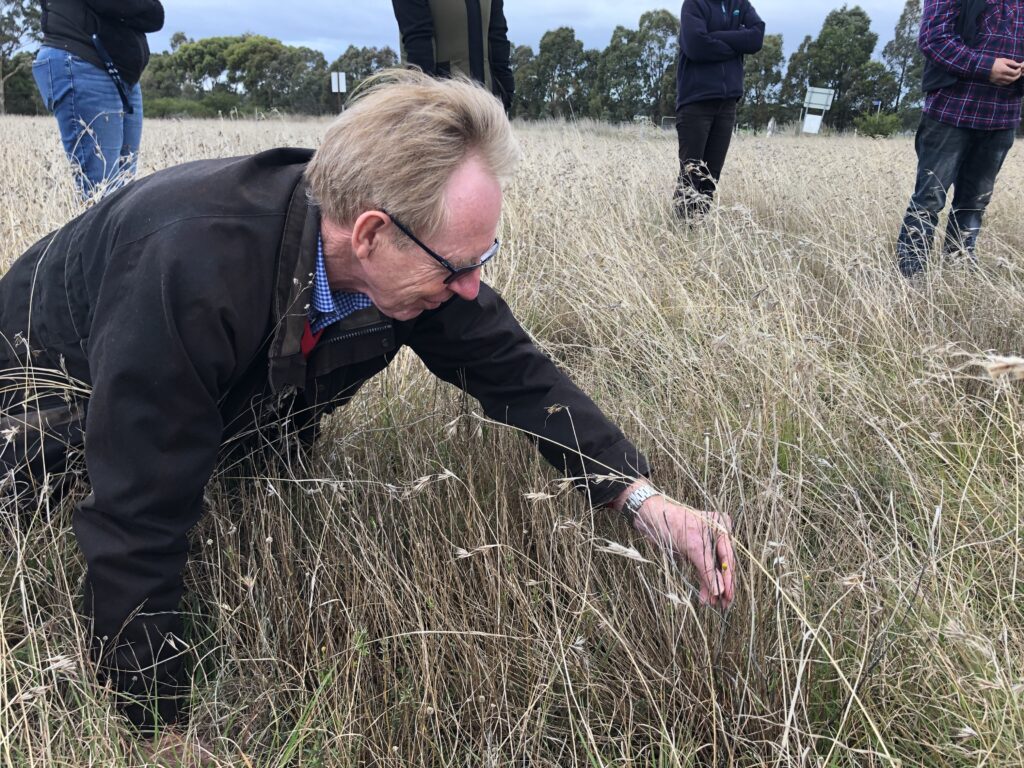
The day ended with a field visit to the Rokewood cemetery, the second largest population of the tetraploid remnants (the diploid populations occur in Melbourne, and NSW and ACT).
The cemetery visit provided a first-hand view of the importance of biomass management for the ongoing survival of this endangered species.
Project partners
This project is supported by Glenelg Hopkins CMA, through funding from the
Australian Government’s National Landcare Program and the Victorian Government through the DEECA Nature Fund.


Project delivery partners:
DELWP, CFA, Eastern Maar & Waddawaurrung TO groups, CeRDI, La Trobe University, Monash University, Friends of the Forgotten Woodlands, Arthur Rylah Institute, Trust for Nature, Conservation Volunteers Australia, Woorndoo Land Protection Group, Local Government authorities, Pimelea Conservation Trust, Ballarat Environment Network, Field Naturalist groups, Victorian Conservation Seedbank.