Drought Employment Program – APPLY NOW
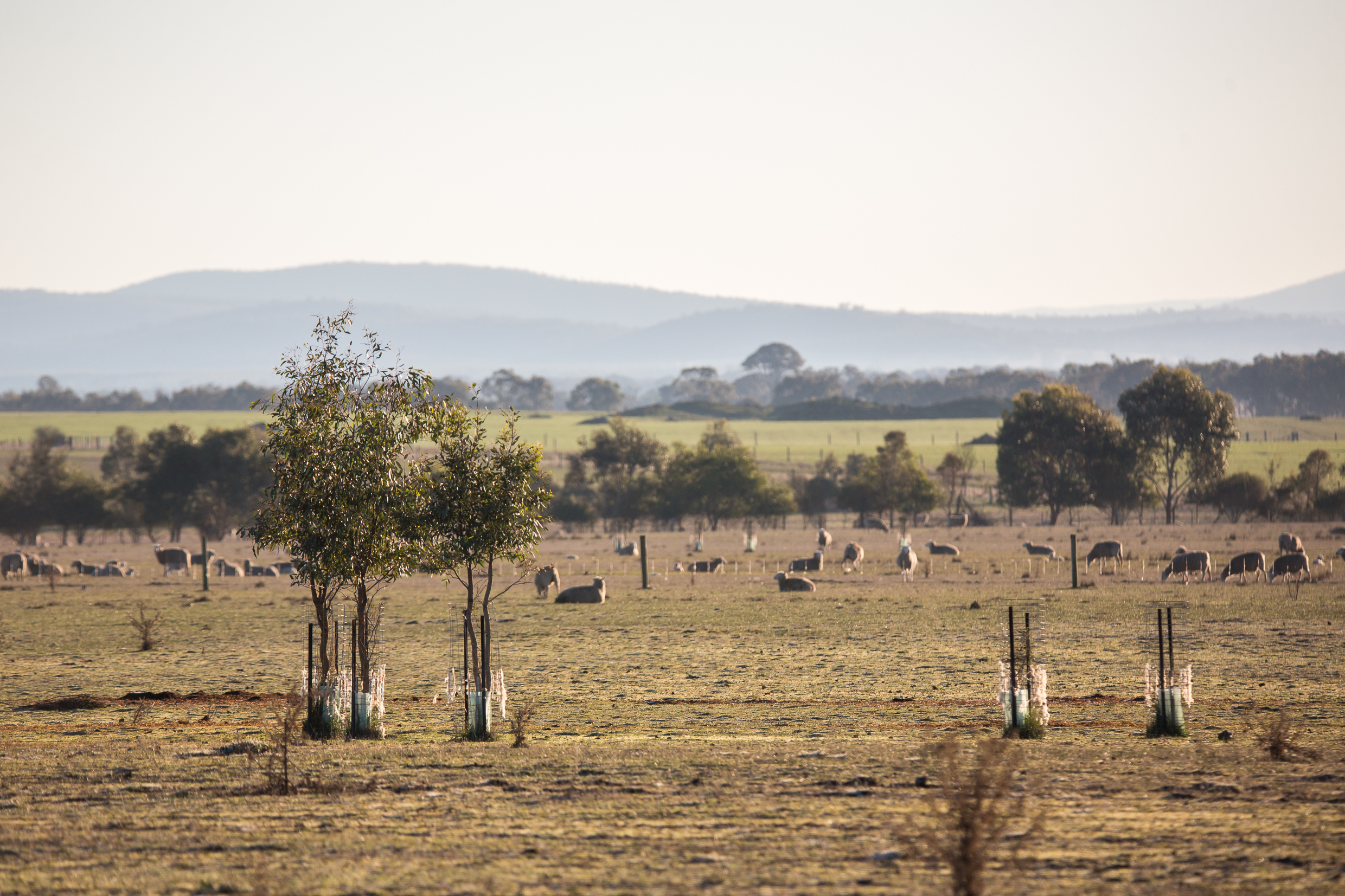
The Victorian Government is investing $1 million in a Catchment Management Authority Drought Employment Program. This program will provide meaningful off-farm employment opportunities for people experiencing hardship because of dry conditions.
Glenelg-Hopkins CMA and Corangamite CMA will deliver regional Drought Employment Programs in their catchments to accelerate and bring forward essential activities to improve catchment condition and care for waterways at priority sites. This could include activities such as pest and weed control, riparian fencing and revegetation.
The Drought Employment Program is being targeted to the southwest region due to the severity and length of drought conditions, which are impacting on farmers and farm businesses.
These roles are designed to support people through a period of reduced employment, or loss of work, and can be part-time and short term – ie. to support people until harvest roles begin; full time employees on farms or ag business who have had work days reduced. The roles can be part time, or full time, depending on the needs or capacity of the employee.
APPLY NOW!
The Glenelg Hopkins CMA is calling for applications for roles with the program. The first step is completing an expressions of interest form. The EOI is the first step in the job application process and once completed, Glenelg Hopkins CMA will contact prospective employees.
COMPLETE AN EXPRESSION OF INTEREST FORM HERE
Where is the program being undertaken?
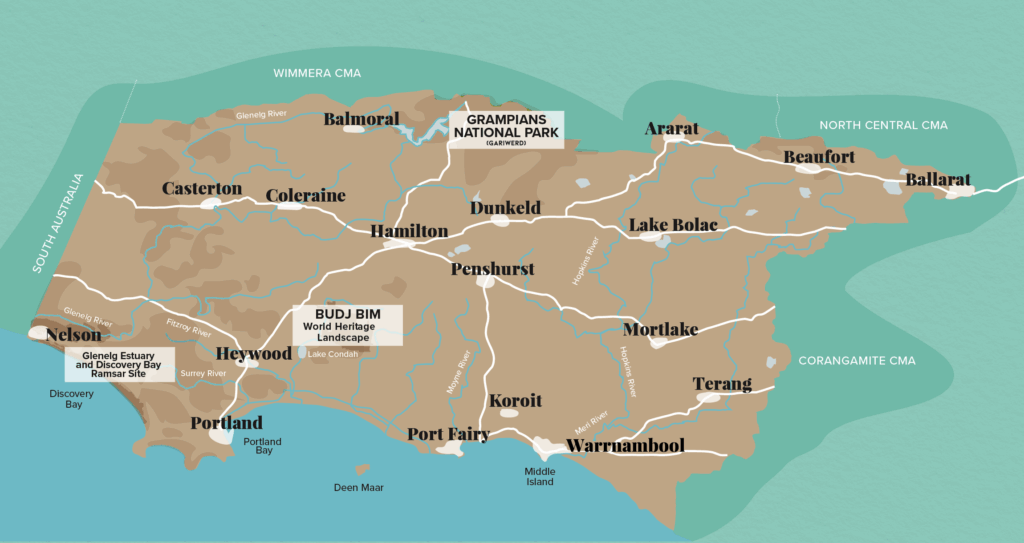
The map below indicates the Glenelg Hopkins CMA region this drought employment program is being conducted within. To express interest in the Corangamite CMA region, please complete the Corangamite CMA EOI form here.
Q&A about the program
Q. What is the CMA-led Drought Employment Program?
A. The $1m Drought Employment Program will provide meaningful off-farm employment opportunities for people in hardship due to drought conditions. Like previous successful CMA Drought Employment Programs, this will bring forward essential landscape and waterway health activities – like riparian fencing, pest and weed control and revegetation. The program will provide up jobs to people in need. The Taskforce will monitor the program and if required top it up if there is more demand.
Q. Why should I participate?
The CMA Drought Employment Programs provide a way for people to earn an income, increase their skills and build confidence in future employment opportunities by undertaking a range of different catchment health works, like fencing, revegetation, pest and weed control, and water quality monitoring.
Q. Where will the Drought Employment Program be available to farmers and farm-dependent workers affected by drought?
A. The Drought Employment Program will be delivered by the Corangamite CMA and the Glenelg-Hopkins CMA and be made available to farmers and farm-dependent workers in southwest Victoria who have been doing it the toughest and have experienced drought the longest (since June 2023). The initial DEP will target 11 local government areas and parts of West Wimmera shire. The shires are: Ararat, Moyne, Colac Otway, Pyrenees, Corangamite, Southern Grampians, Glenelg, Surf Coast, Golden Plains, Warrnambool, City of Greater Geelong and southern postcodes in West Wimmera (3312, 3317, 3318 and 3319).
Q. Why is the Drought Employment Program being targeted to the southwest?
A. The Drought Employment Program is being targeted to these areas due to the ongoing impact of extended dry conditions in the southwest. Drought has led to increased livestock slaughter numbers in the region, and rates of breeding cattle slaughter is at its highest since the Millennium Drought. Milk production has also dropped 5% in recent months. These indicators show that livestock and dairy farmers are destocking and reducing the scale of farming operations given the conditions. These trends mean that there are less opportunities for on-farm employment in the region. The Drought Employment Program can provide an alternative source of meaningful employment and training for people locally.
Q. When will the program be available and how can I apply?
A. The Department of Energy, Environment and Climate Action – including Water and Catchments Group and Agriculture Victoria – is working with relevant Catchment Management Authorities to put program arrangements in place as soon as possible.
Further information on opening dates and eligibility requirements will be provided by Glenelg-Hopkins and Corangamite CMAs in early August.
Q. I live in one of the eligible LGA areas, but I’m outside of the CMA regions. Can I participate in the program?
A. Yes. Glenelg-Hopkins and Corangamite CMA manage catchment and waterway health across the majority of the eligible LGA areas. Farmers and farm-dependent workers who live in eligible LGAs outside of the CMA regions can still apply to participate in the Drought Employment Program if they are willing to travel for work.
Q. The drought impacts are not restricted to the southwest, and I would benefit from a Drought Employment Program in my area, why isn’t this being rolled out to other regions?
A. Rainfall deficiencies and dry conditions are impacting farmers across Victoria. Recent government support packages have ensured that many drought resilience programs, including on-farm infrastructure grants, are available statewide. The Drought Employment Program is targeting the southwest due to the extremely dry conditions that have affected farmers and industries over a long period of time since mid-2023, and the need for off-farm employment opportunities in that region. If dry conditions persist, expanding the program to other drought-affected parts of Victoria will be considered.
Q. I previously earned an income on a farm as a casual worker, and my hours have been reduced because of the drought impacts, can I participate even though I’m not a landholder?
A. Yes. Like previous CMA Drought Employment Programs, farmers or farm-dependent workers who can demonstrate they have been financially impacted by drought conditions will be able to apply to participate. This can include casual farms workers and contractors. Specific eligibility requirements will be determined by the CMAs leading these Programs.
Q. There are already challenges with access to farm labour in regional areas, won’t this program create competition for limited labour in the regions?
A. The Department of Energy, Environment and Climate Action are working with Agriculture Victoria are working with industry groups and Catchment Management Authorities to minimise any risks of the Drought Employment Program competing with farms seeking employees. The scale of the Drought Employment Program means that while it is being targeted towards providing support, training and employment opportunities for up to 20 participants (casual, part-time or full-time) in the region, it should not have any significant impact on the availability of labour for farm businesses.